Field Devices Measure
Sensors and instruments measure physical conditions such as temperature, pressure, level, flow, speed and status.

Design and development of industrial SCADA systems for real-time monitoring, process visualization, alarms, trends, historical data and supervisory control.
Visit the dedicated SCADA platform for SCADA software, development information, monitoring tools and industrial visualization technology.
SCADA means Supervisory Control and Data Acquisition. It provides a supervisory layer that connects industrial equipment and controllers with operator visualization, alarms and historical information.
Field data → Controller → Communication → SCADA → Operator
A typical SCADA system collects information from field equipment, passes it through controllers and networks, and presents the information to operators.
Sensors and instruments measure physical conditions such as temperature, pressure, level, flow, speed and status.
The PLC or RTU reads field signals, executes control logic and exposes selected values for supervisory monitoring.
Industrial communication transfers values, states, alarms and commands between the controllers and SCADA system.
SCADA processes tags and presents the information through graphics, dashboards, alarms and trends.
Operators can see equipment status, process values, alarms and historical information.
Where the application permits it, authorized operators can issue supervisory commands or adjust configured setpoints.
SCADA functionality should be selected according to the actual process, operator requirements and project scope.
View machine status, process values, equipment conditions and operating parameters in real time.
Create graphical process screens showing tanks, pumps, motors, valves, pipelines, machines and production systems.
Detect abnormal conditions, display alarms, acknowledge events and maintain an alarm history.
Store selected process values and events so operators and engineers can review historical operating conditions.
Display live and historical trends for temperature, pressure, level, speed, production and other process values.
Generate operational information and reports from collected process and historical data.
A SCADA interface normally combines process graphics, equipment status, alarms, trends and operational information.
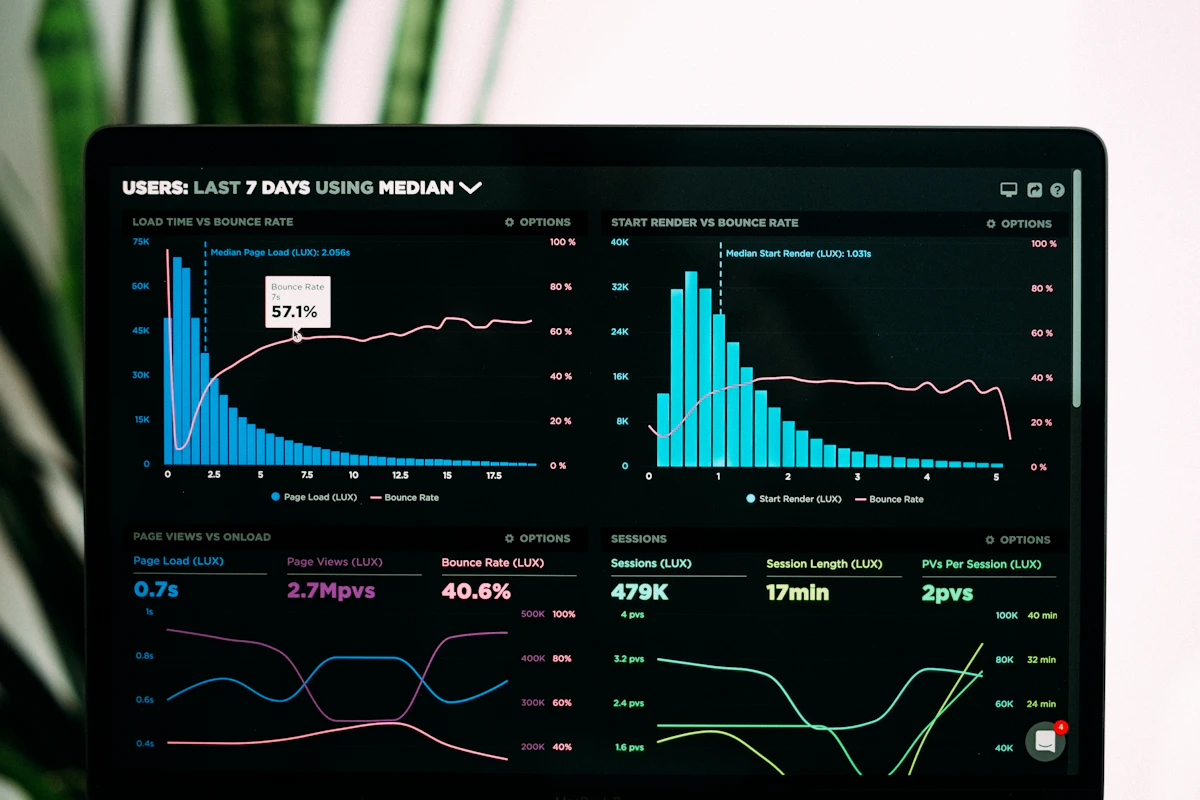
Overview information helps operators quickly understand the current condition of a system.

SCADA can provide an operator environment for equipment status, process information and authorized supervisory actions.

Detailed screens can organize machines, process areas, alarms, trends and operating parameters.
A project architecture is selected according to the number of devices, tags, users, sites, required availability and data requirements.
Sensors, meters, switches, motors, drives, valves and instruments generate process information.
Controllers collect field data and execute the real-time control logic for machines and processes.
Ethernet, Modbus, CAN and other industrial communication systems transfer information between devices.
The SCADA system communicates with controllers, manages tags, alarms, historical data and application logic.
Operators use SCADA screens to monitor processes, acknowledge alarms, view trends and perform authorized supervisory actions.
Historical process information can be stored for analysis, reporting, troubleshooting and operational review.
A well-defined SCADA project starts with the process and data requirements before screen development begins.
Understand the machine, production process, existing PLCs, instruments, operators and monitoring requirements.
Define process variables, PLC addresses, equipment states, alarms, setpoints and required SCADA tags.
Select and configure the required communication method between PLCs, devices, servers and SCADA clients.
Design the server, client, database, historian, network and security architecture around project requirements.
Develop overview, equipment, process, alarm, trend, settings and reporting screens for operators.
Test communication, tags, alarms, controls, trends, historical data and operator workflows before handover.
Screen design should prioritize the information operators need to understand and operate the process effectively.
A high-level view showing the complete plant or production system and major equipment status.
Detailed visualization of tanks, pumps, motors, valves, pipelines and process values.
Active and historical alarms with priority, time, status and acknowledgement information.
Live and historical charts for important process variables.
Detailed status and parameters for individual machines, drives, pumps or other equipment.
Production, process, alarm and historical reports based on project requirements.
SCADA systems can integrate with different controllers, networks, field devices and databases depending on the project architecture.
Integration and monitoring applications using PLC.
Integration and monitoring applications using RTU.
Integration and monitoring applications using HMI.
Integration and monitoring applications using Modbus RTU.
Integration and monitoring applications using Modbus TCP.
Integration and monitoring applications using CAN Bus.
Integration and monitoring applications using Industrial Ethernet.
Integration and monitoring applications using OPC UA.
Integration and monitoring applications using Remote I/O.
Integration and monitoring applications using VFD.
Integration and monitoring applications using SQL Database.
Integration and monitoring applications using Industrial PC.
SCADA architectures can be adapted to different production, utility and process environments.
Monitoring, visualization and industrial data applications for manufacturing.
Discuss Application →Monitoring, visualization and industrial data applications for textile & garments.
Discuss Application →Monitoring, visualization and industrial data applications for food & beverage.
Discuss Application →Monitoring, visualization and industrial data applications for packaging.
Discuss Application →Monitoring, visualization and industrial data applications for pharmaceutical.
Discuss Application →Monitoring, visualization and industrial data applications for water & utilities.
Discuss Application →Monitoring, visualization and industrial data applications for power & energy.
Discuss Application →Monitoring, visualization and industrial data applications for process industry.
Discuss Application →Provide the basic project information so the engineering team can understand the required SCADA architecture and scope.
From PLC communication and process visualization to alarms, historian, trends and commissioning, SATECXA can support the engineering requirements of your SCADA project.